January 1, 2026
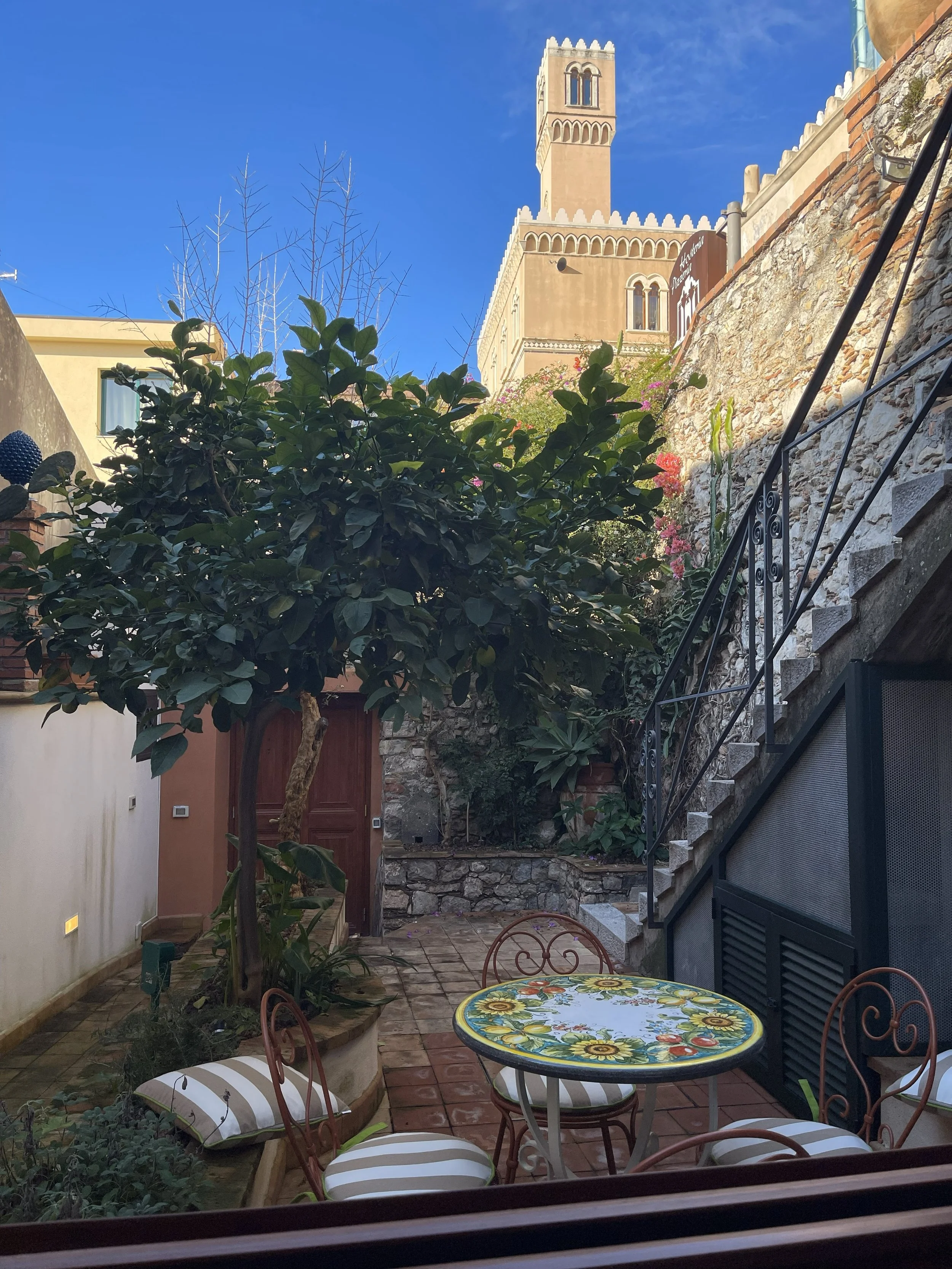
The outdoor terrace at the villa in central Taormina, Sicily.
Each New Year’s morning I start my day by writing my goals for the year. I hand write them and revisit them often throughout the year. I categorize the goals into personal and business and further sub-divide them for each of my businesses. This year, I wrote them from a villa in the city center of Taormina, Sicily, overlooking a beautiful courtyard flanked with lemon trees and a 12th century Duomo building towering above.
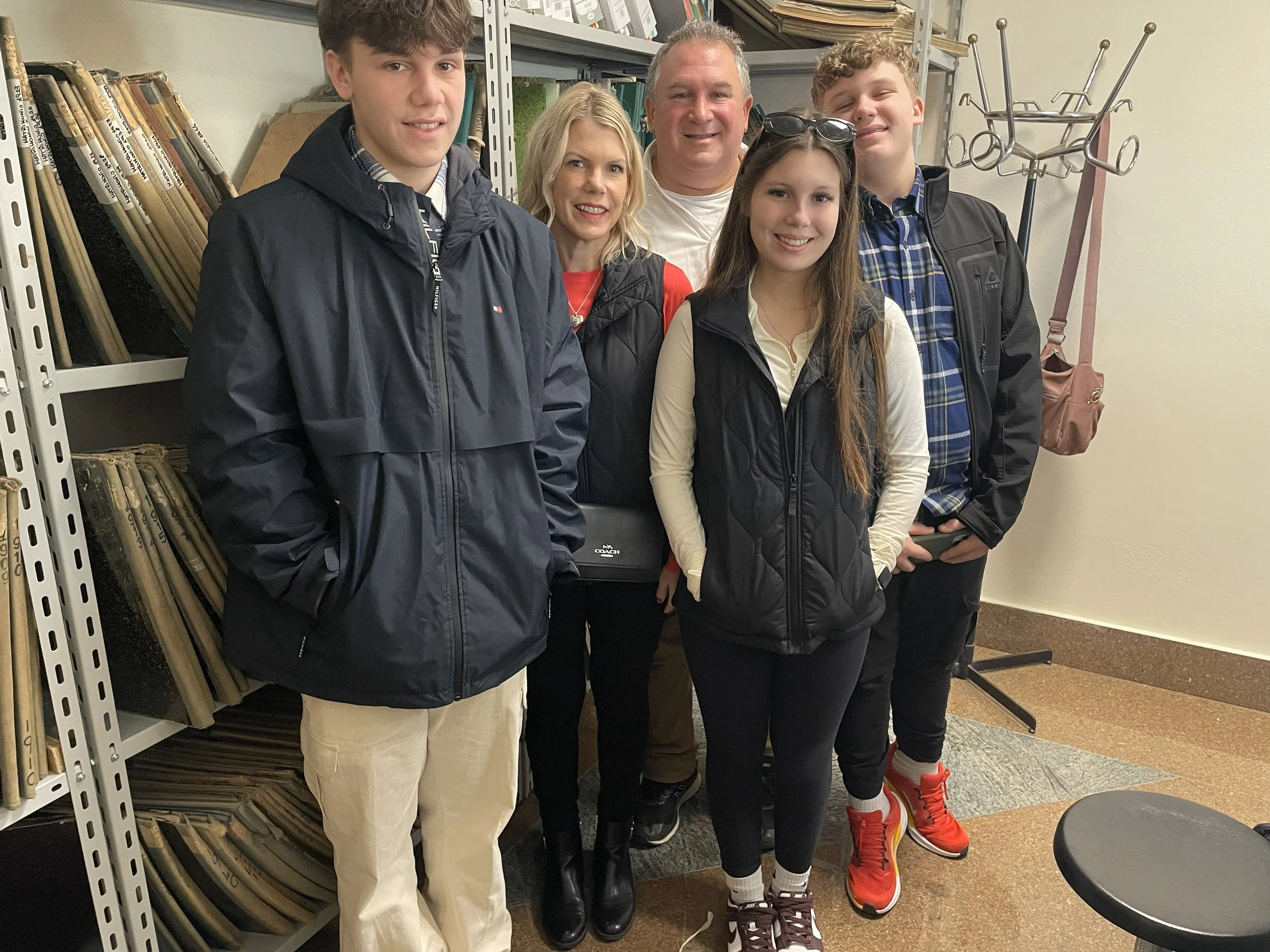
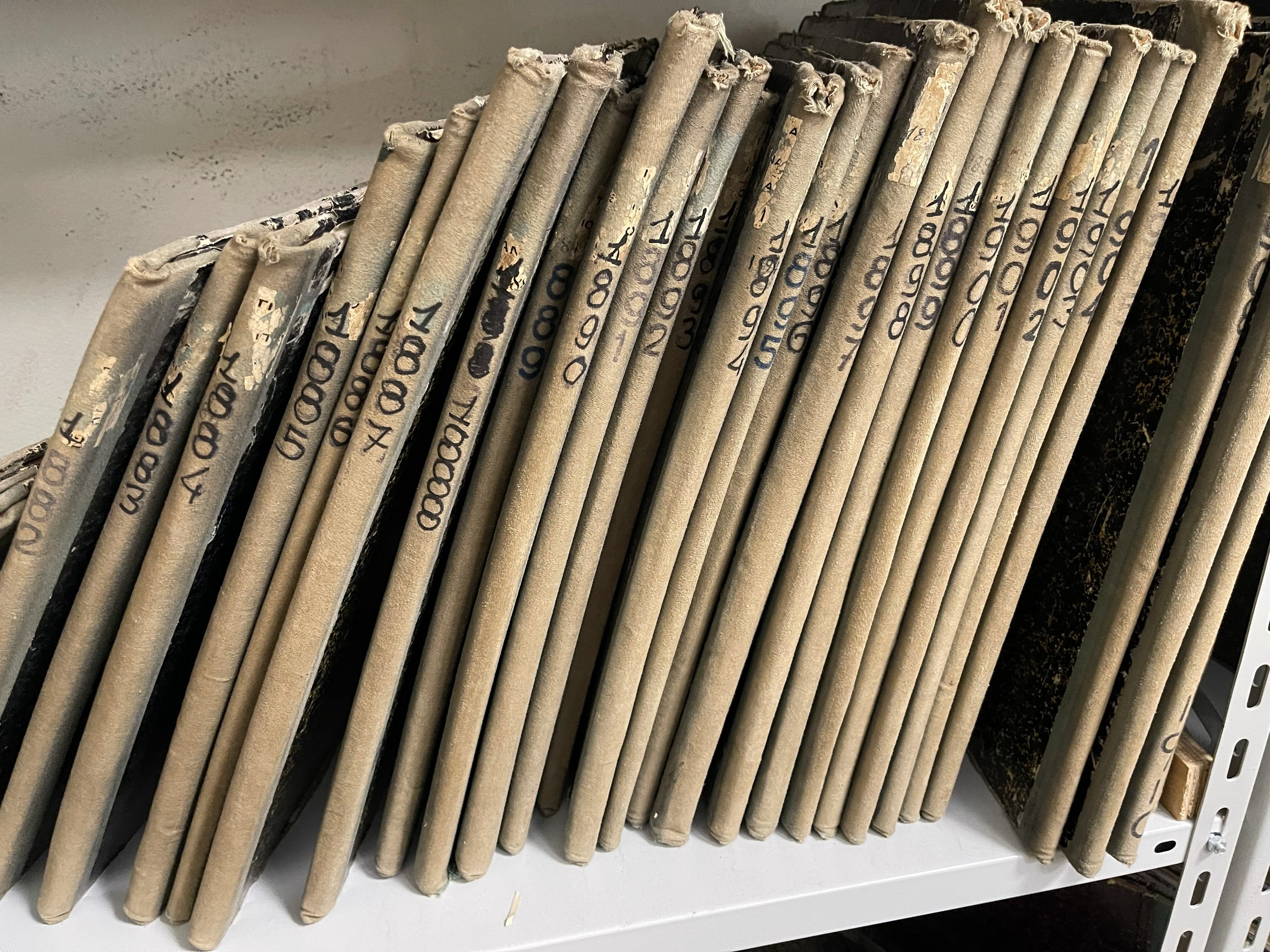
Sicily is from where my grandfather, Sebastiano Colloca, immigrated to the United States at the age of 17 and $8.00 in his pocket in May of 1906. My wife, Mindy, and I visited Taormina on our honeymoon and we were fortunate to explore the small mountainside village of Mitta, where my grandparents lived. We stopped at the provincial municipal (Commune of Casalvecchio) building on our way up the mountain were dusted off handwritten record books documented the births, addresses, and marriage certificates of my ancestors in Mitta. With this information we were able to locate the house that my grandparents lived, and even that of my great-grandparents, who lived just beneath them. Fifteen years later, we have returned to Sicily to show our children this beautiful land, and share this spirit of ancestry.
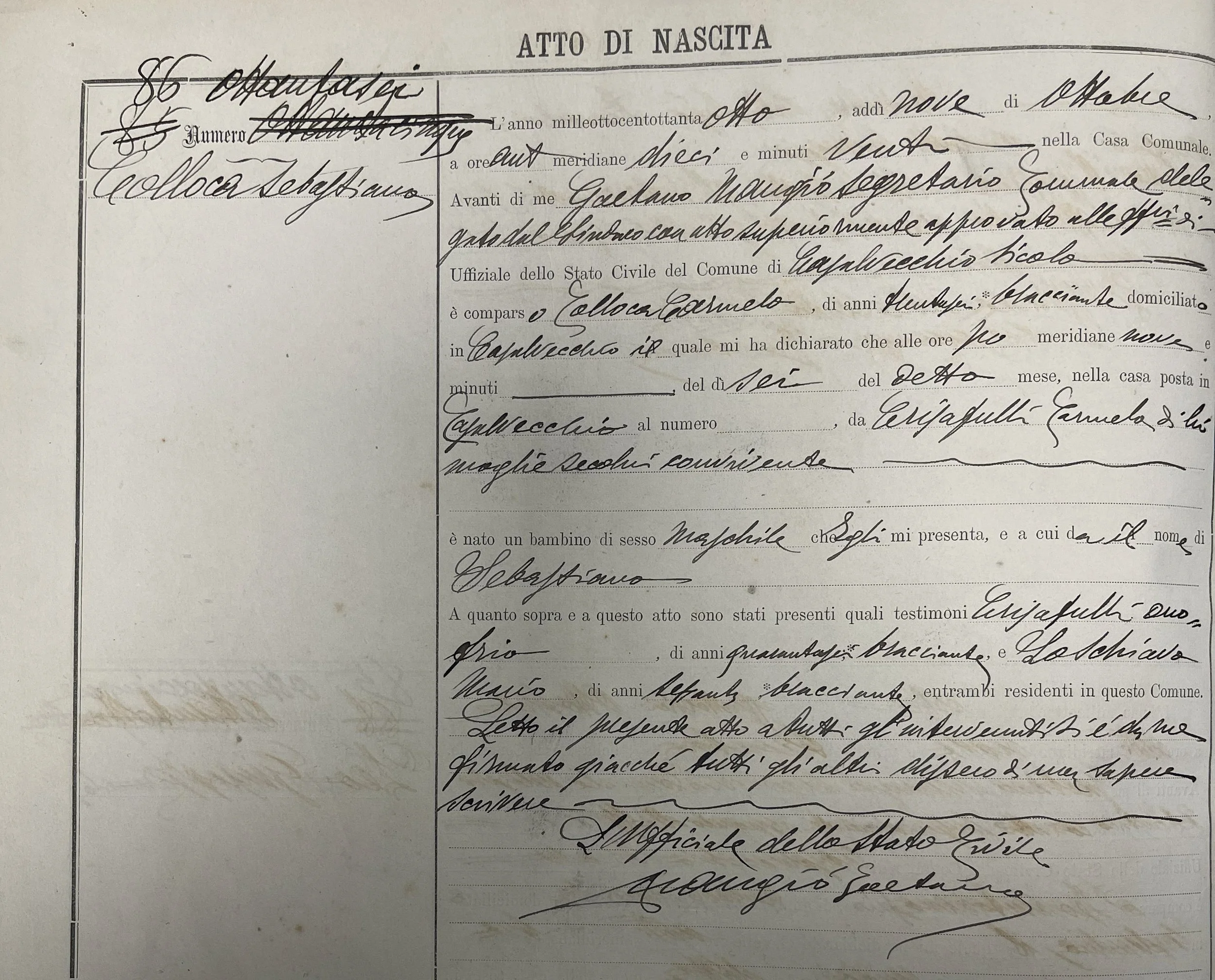
I look over these goals – 26 of them in total – full of dreams and ambition. All of them are completely achievable. I feel blessed to even have these ideas, these dreams, and the framework to make the dreams a reality. I’m older now and maybe more sentimental. I’m in less of a hurry these days. I think that I do more deep thinking than my younger years when my brain was occupied with building a life. So, being here in Sicily having just visited the tiny hillside town of Mitta is maybe that’s why I can’t get my mind off of 17 year-old Sebastiano.
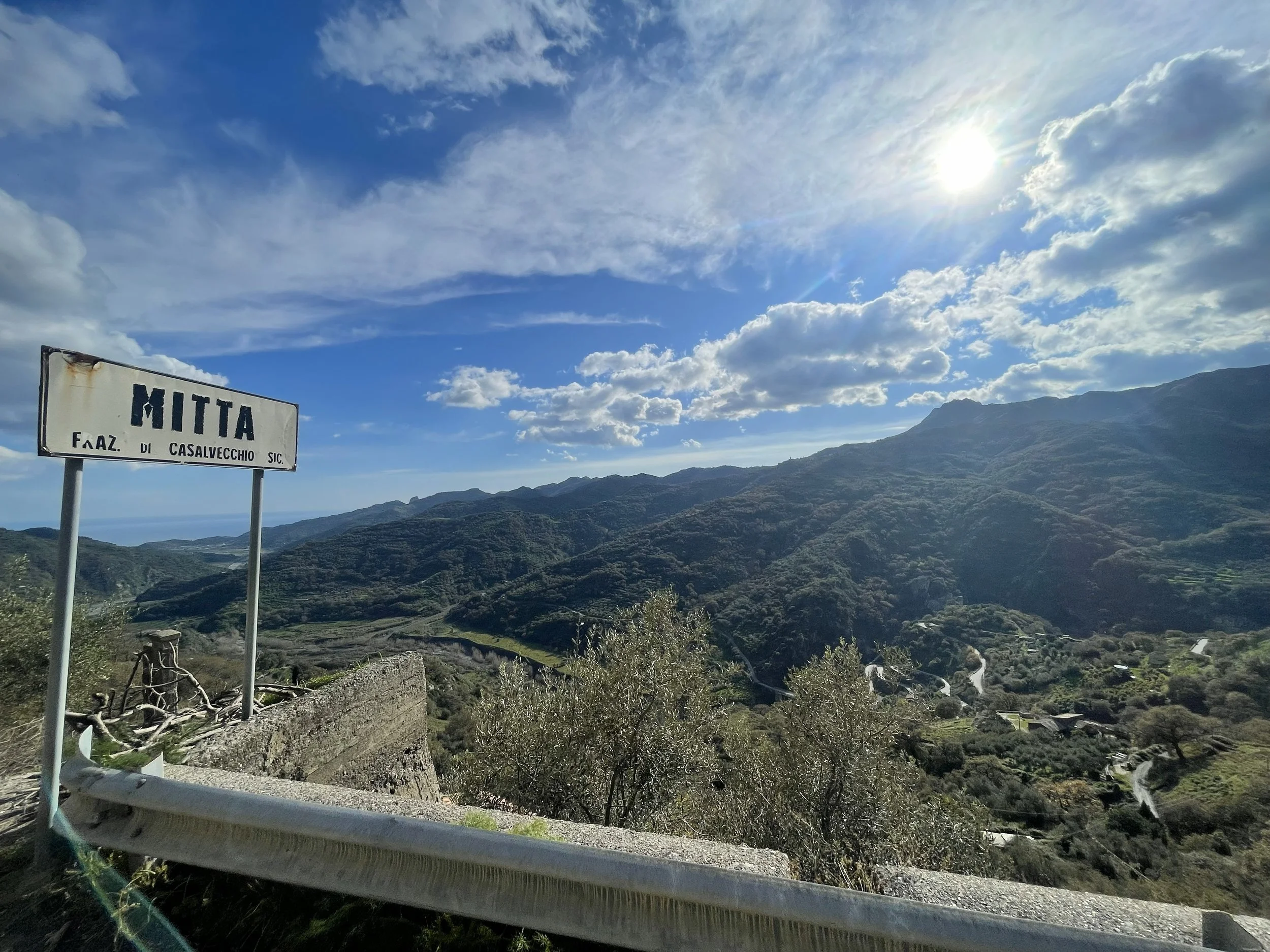
I never met my grandfather, Sebastiano Colloca. By the time I entered the world, he already belonged to photographs, to stories that began with “He used to…” and ended with silence. And yet, his absence has never felt empty. It has felt earned. I feel like I know who he was because I live in the wake of what he did. My whole family has.
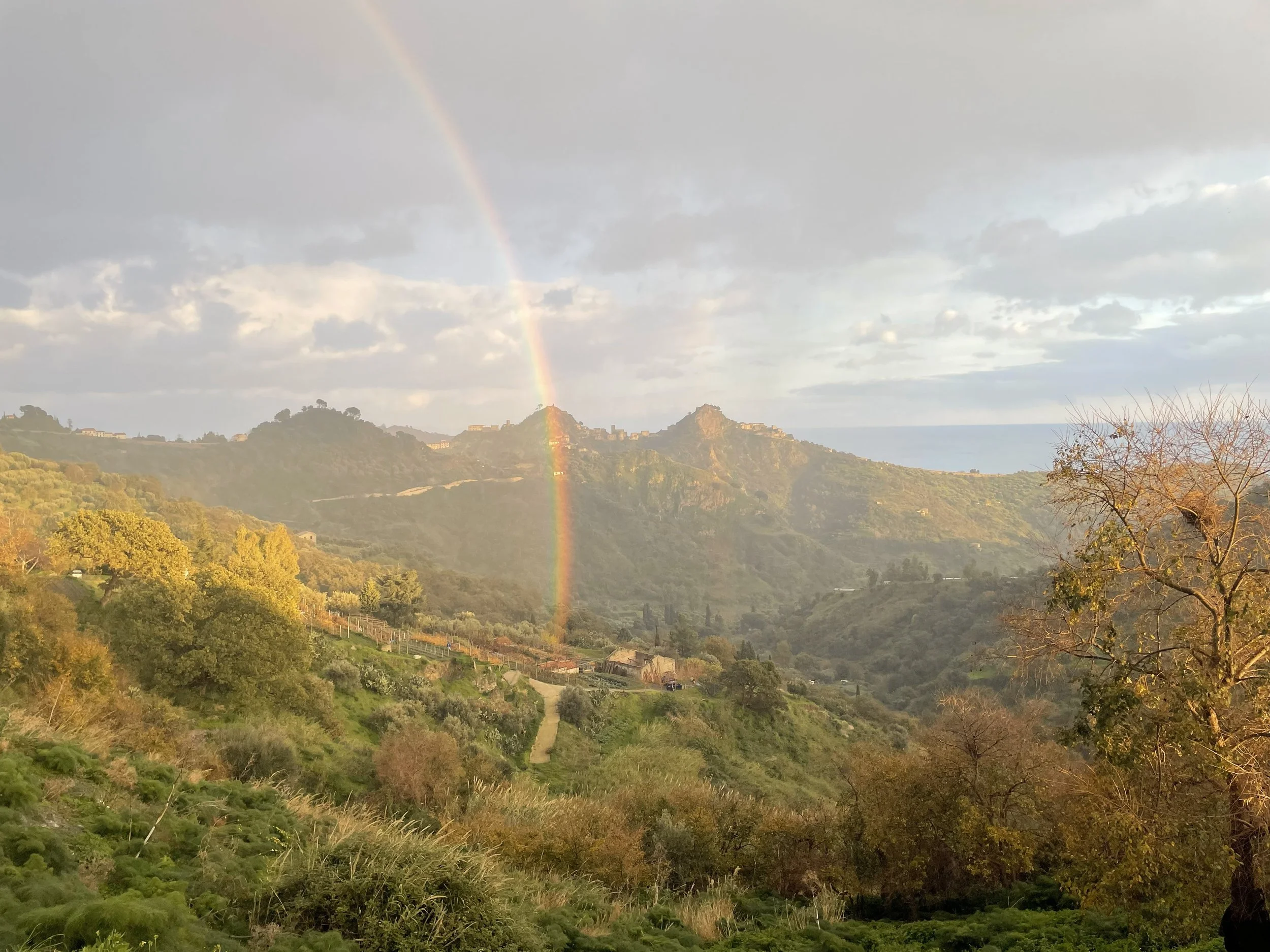
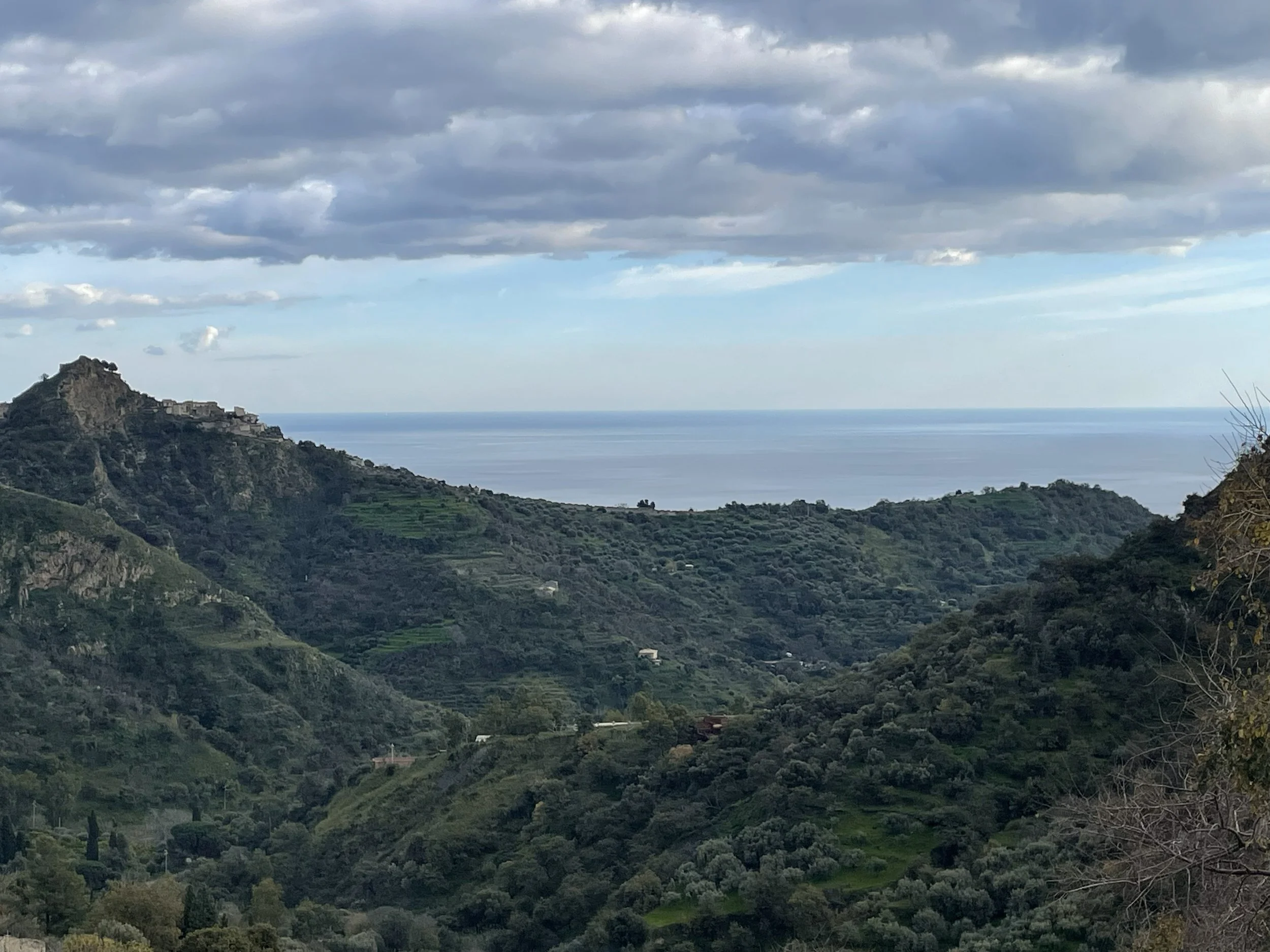
When I imagine him, I don’t picture a romantic past. I picture a boy standing on stone ground that gave little back, surrounded by hills that were beautiful precisely because they were unforgiving. Looking out at the riverbed that winds its way to the sea, I thought, “is this the path he walked to get to civilization?” From this vantage point I am certain that looking to the sea he thought, “there is a whole world out there waiting for me.”
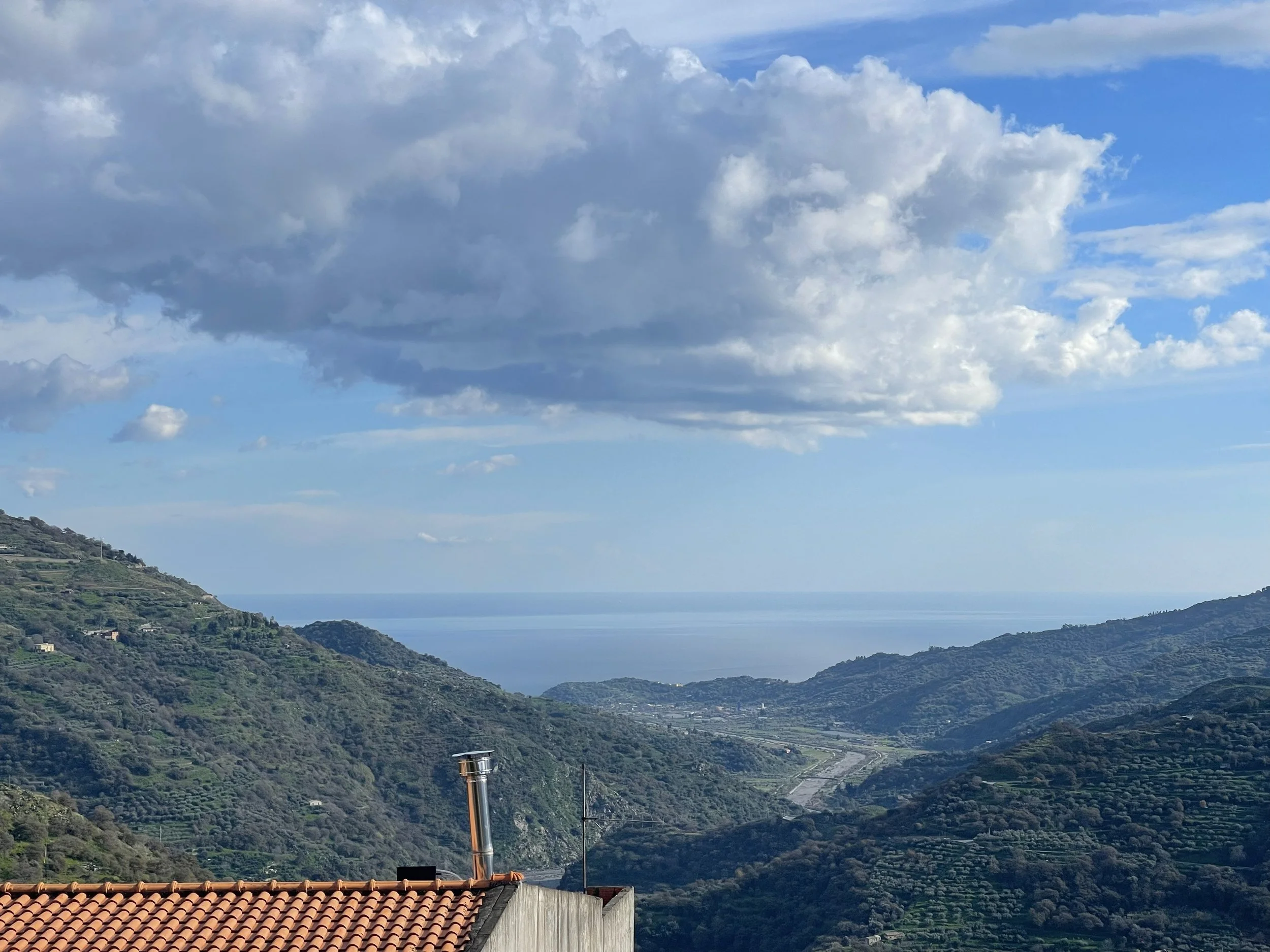
From the hillside town of Mitta, the Sea appears between mountains as the wide riverbed winds its way toward the water.
Sebastiano’s world was small, not because his mind was, but because opportunity was. He woke to work that never ended—olive trees, vines, hauling water, repairing walls and building with local stones that the mountain itself seemed determined to pull apart again. There was dignity in that labor, but not escape. Not growth. Not room for ambition. You were born into a rhythm and expected to repeat it until the earth took you back. That was Sicily at the turn of the twentieth century. And yet, somehow, my grandfather saw beyond it. That is what humbles me most.
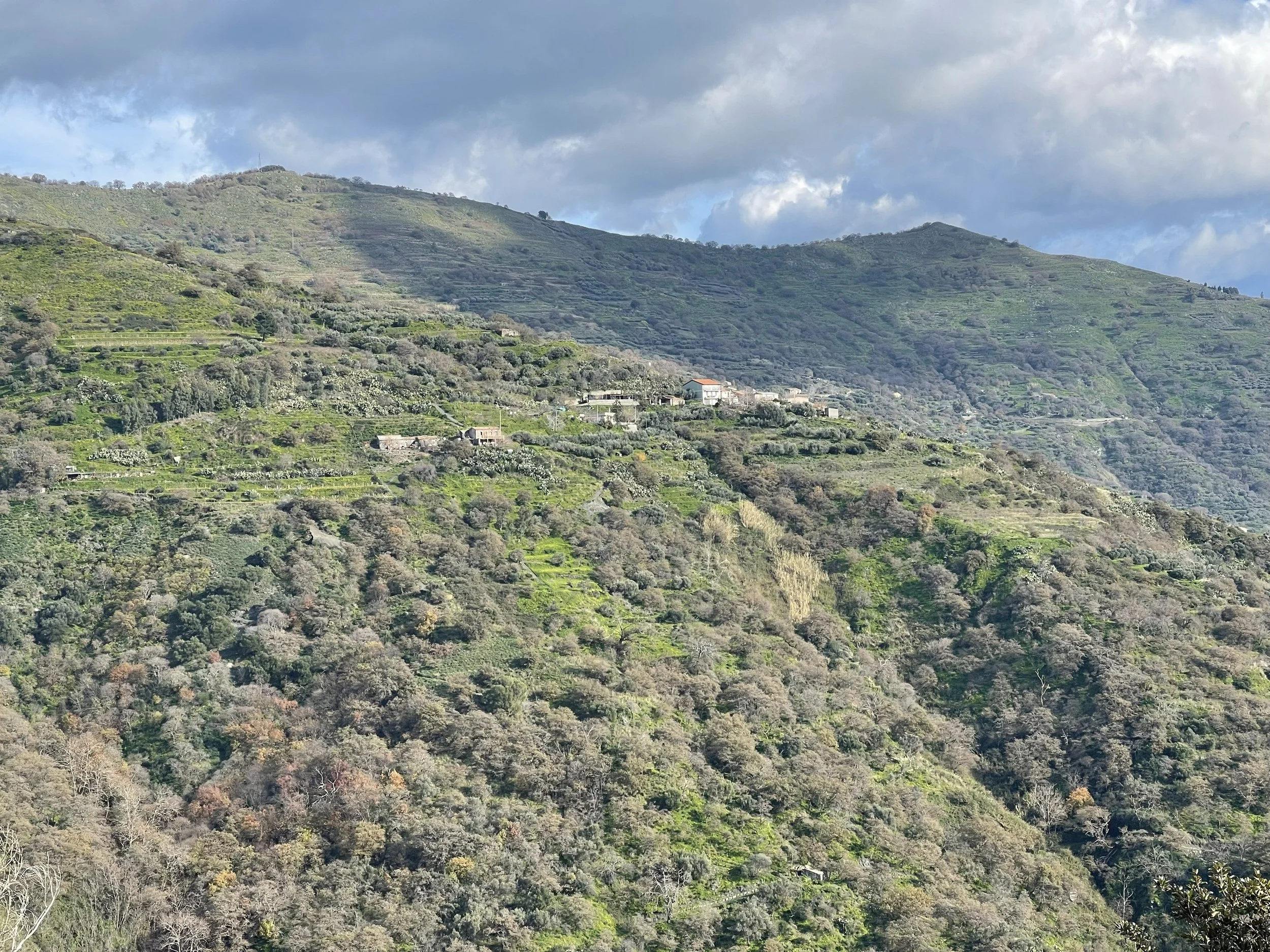
He lived in a place where family names mattered more than dreams, where land determined fate, and where young men were counted not for their potential but for their ability to work or to serve. At seventeen, the future ahead of him was already mapped: more of the same, perhaps interrupted by military service, always bound to the village and its limits. Leaving wasn’t heroic then. It must have been terrifying.
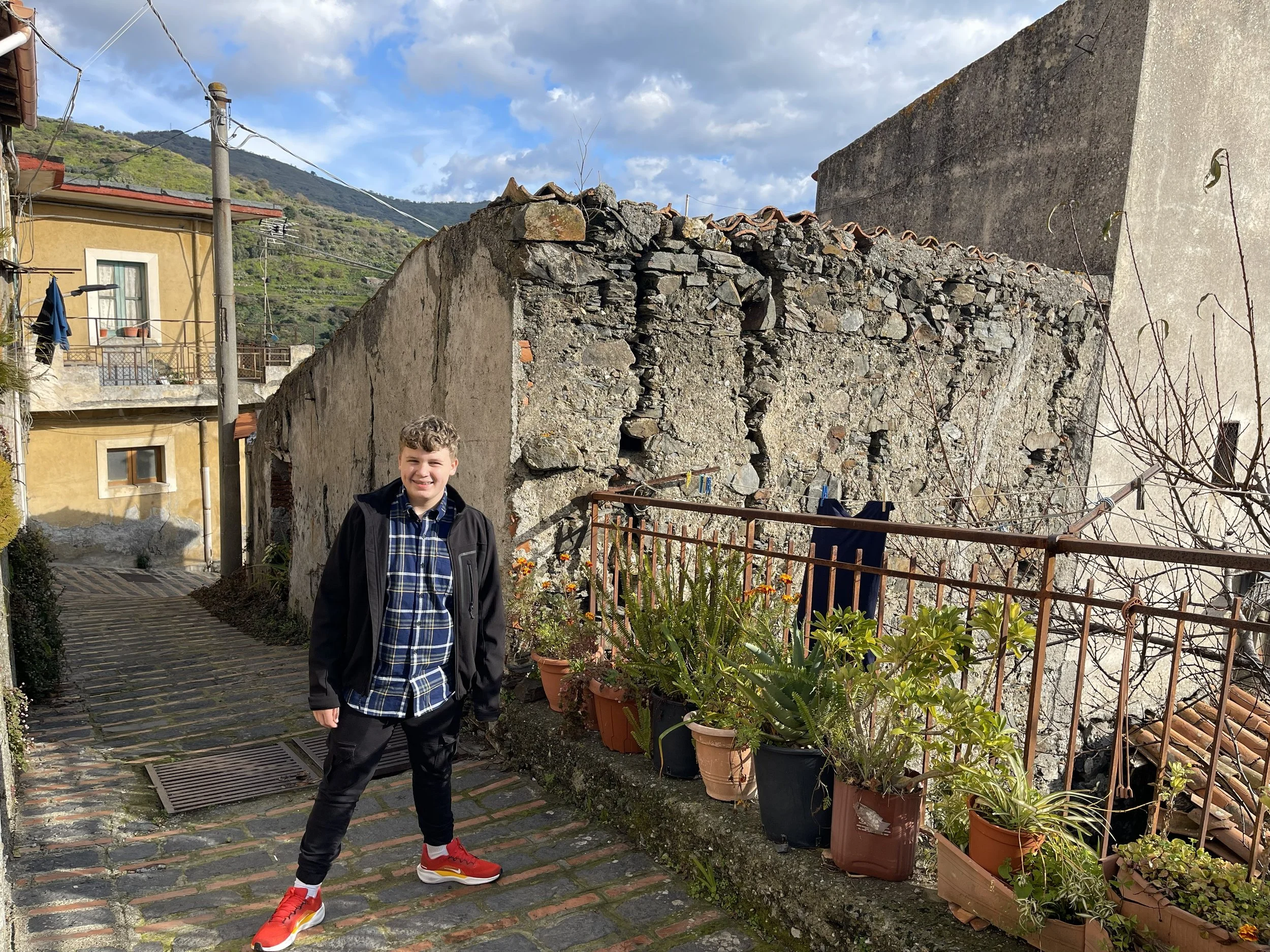
My son, Nico Sebastiano Colloca stands next to the back side of his great-grandfather’s house.

#10, the house my grandfather lived in Mitta. Today it is abandoned.
To leave meant walking away from everything that made you you: the church that baptized and confirmed you, the paths your feet knew by heart, the parents who depended on your hands. It meant choosing uncertainty over certainty, even when certainty was hard. I try to imagine the courage it took for a boy (because that’s what he was) to decide that staying was the greater risk.
America, to him, was not a dream in the modern sense. It wasn’t fame or wealth or reinvention. It was possibility. It was wages that could be sent home to help others and to bring them too to the land of opportunity in America. It was the chance to turn suffering into something useful, something transferable. It was hope with a practical purpose.
He didn’t board a ship seeking comfort. He boarded it knowing full well there would be none. I think about him below deck in steerage, crossing an ocean he had never seen, surrounded by strangers who spoke his language of fear and faith. I think about him arriving at Ellis Island, standing in line, practicing what he was going to say, answering questions, praying that a doctor’s glance wouldn’t undo everything he had risked.
All of it, every mile, every humiliation, every doubt, he endured without knowing whether it would work. And that is the part that moves me most. Because when I look at my own life, with its choices and safety nets and assumptions of possibility, I realize something profound: My confidence is inherited.
I come from a man who bet everything on the unknown, not for glory, but for his future and that of his family. A man who never got to see how far the ripple of his decision would travel. A man who could not imagine me, sitting just two generations later, grateful beyond words for a sacrifice I never witnessed but live every day. Sebastino traveled across the sea over 10 days to get to New York. I fly in business class drinking champagne, watching a movie and arriving 8 hours later. The contrast of comforts is almost unthinkable.
I wish I could have met him. I wish I could have told him that his gamble mattered. That it worked. That his courage became a foundation for my father, my siblings, and me.
But maybe that’s the nature of legacy. Sometimes it isn’t something you get to see. Sometimes it’s something you become.
And so, Grandfather, though I never shook your hand or heard your voice, I carry you with me in my name, in my opportunities, in my gratitude. You left the mountain so that we could see farther. And for that, I will always be thankful.